
Categories
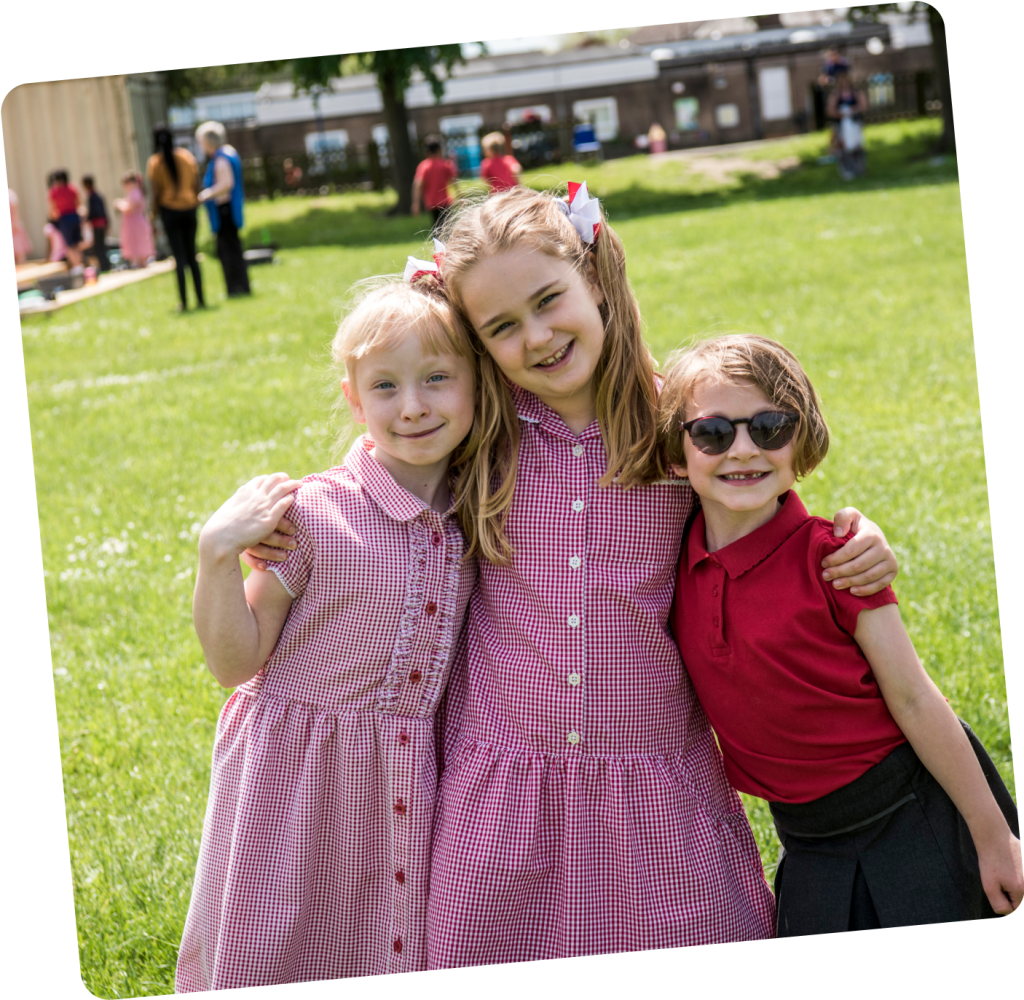
Inclusive play is not about every child doing the same thing at the same time.
It is about creating a playtime culture where every child can follow their own interests, explore and enjoy themselves.
In practice, this means recognising that children have different play preferences. Some want to run, climb and take risks. Some want quiet spaces, small groups or imaginative worlds. Some want to build, collect, sort, dig, perform, lead, follow, watch or join in slowly.
Inclusive play in schools: what it really looks like in practice

An effective outdoor play policy helps schools move beyond supervision and rules towards a shared understanding of why play matters. This article explores what makes a play policy meaningful, how it supports behaviour and wellbeing, and how schools can ensure their policy reflects real practice rather than paperwork.