
Categories
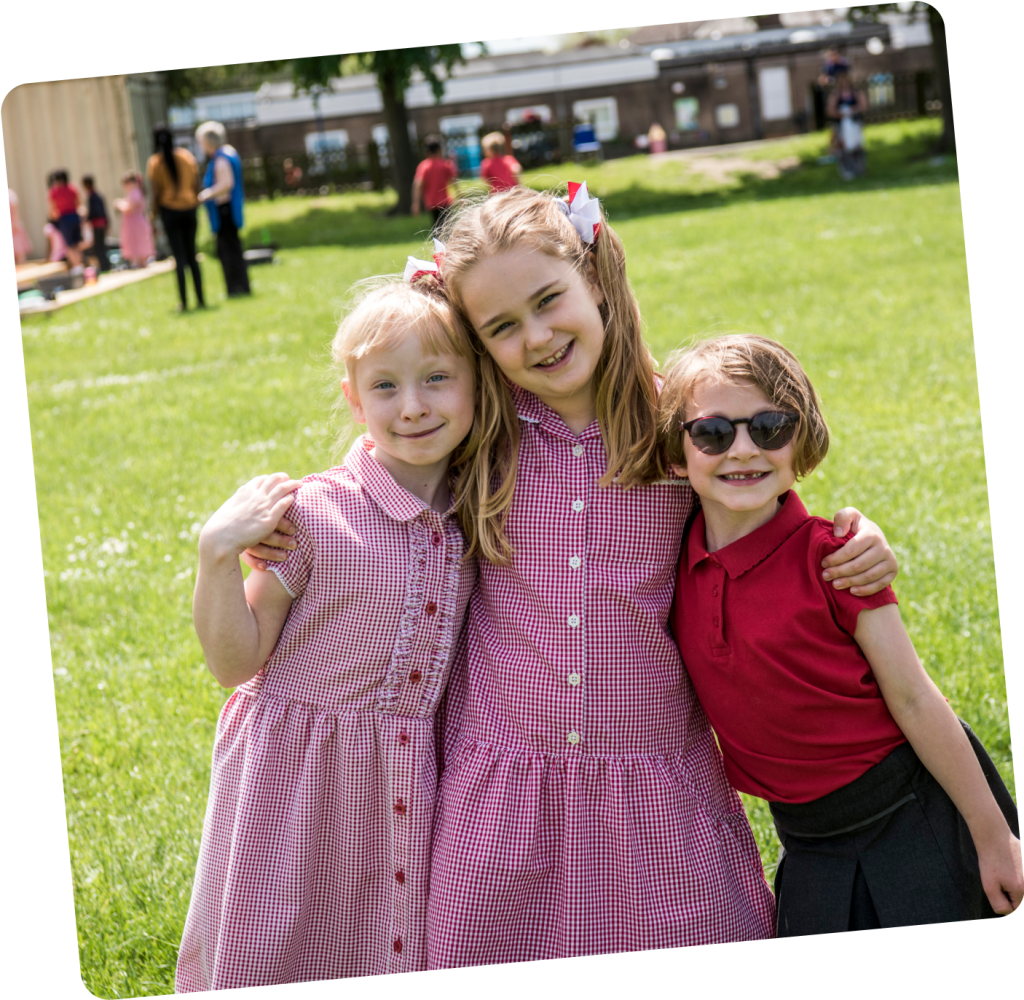
Inclusive play is not about every child doing the same thing at the same time.
It is about creating a playtime culture where every child can follow their own interests, explore and enjoy themselves.
In practice, this means recognising that children have different play preferences. Some want to run, climb and take risks. Some want quiet spaces, small groups or imaginative worlds. Some want to build, collect, sort, dig, perform, lead, follow, watch or join in slowly.
Inclusive play in schools: what it really looks like in practice
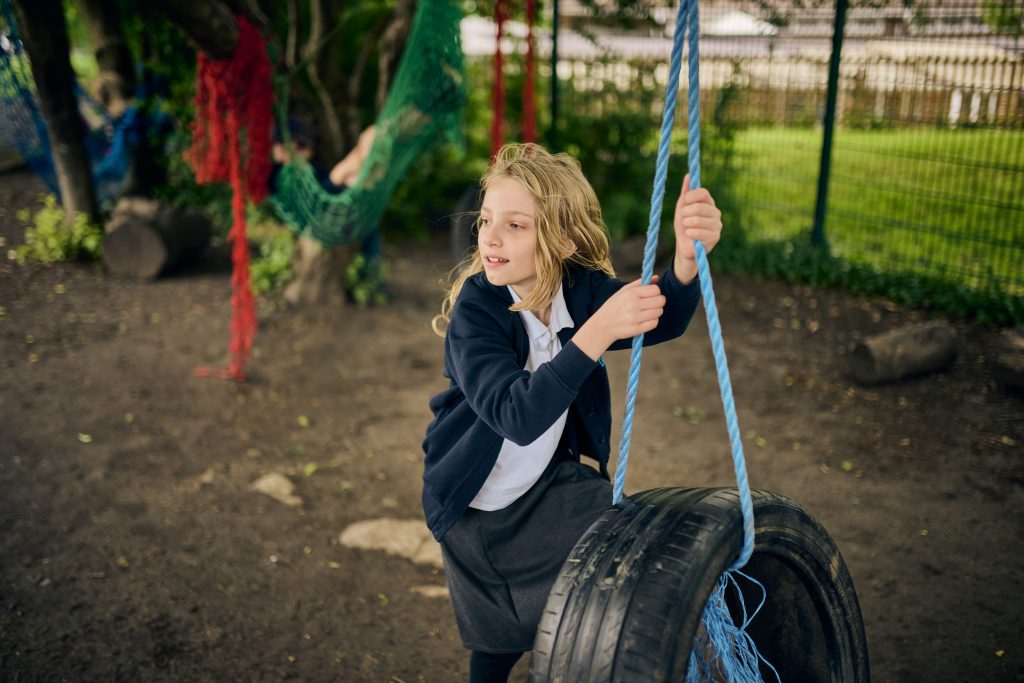
Before children pick up a pencil, sit for a task or follow a set of written instructions, they are already practising many of the skills that help them thrive in the classroom.
They practise them when they build dens, carry crates, negotiate rules, climb, balance, sort objects, tell stories, solve disputes and decide what happens next. They practise them when they wait for a turn, listen to another child’s idea, cope with a plan changing or try again after something falls apart.
The classroom skills children practise long before they pick up a pencil
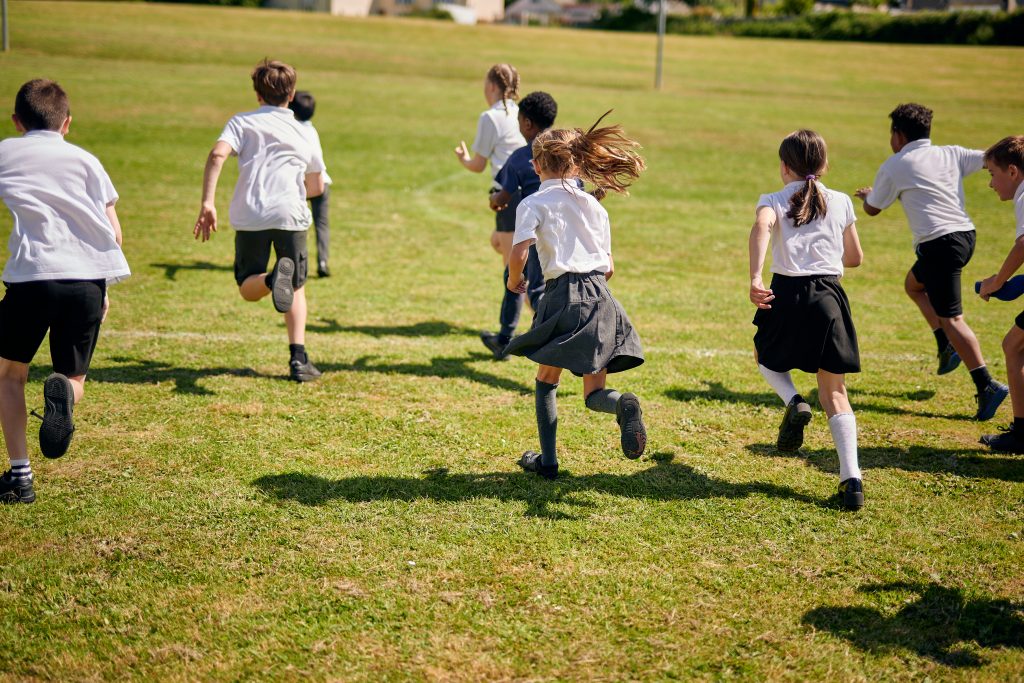
The best playground games do not come from a rulebook. They appear when children are given time, space, materials and permission to follow their own ideas.
Eight playground games children invent themselves, and why they matter

Outdoor learning is often associated with major curriculum redesigns, forest school programmes or extended projects. While these approaches are valuable, they are not the only way to bring learning outside the classroom.
12 outdoor learning ideas teachers can try without changing the timetable

Movement, independence, play and the wider environment all influence how children manage themselves, relate to others and engage with learning. When these needs are overlooked, the day can feel more pressured for everyone. When they are supported, children are often more ready to focus, cope and join in.
Why some school days feel chaotic (and what children actually need instead)

What does successful playtime look like in a primary setting? This article explores how well-designed spaces, supportive adults and a strong school culture shape enriching play for all pupils.